
Abnormal cervical screening
Colposcopy is often recommended when a Pap smear or other cervical screening result shows abnormal changes that need closer examination.
A colposcopy gives your gynaecologist a closer look at the cervix when cervical screening or other findings need further assessment. If you have been told that you need one, understanding what happens next can make the experience feel much less uncertain.

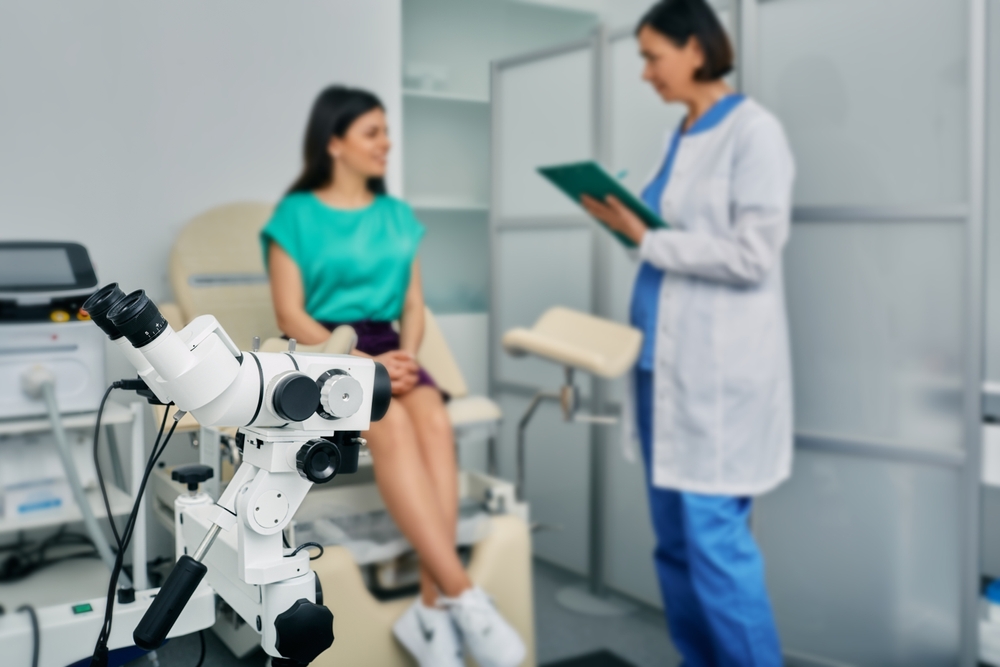
Colposcopy is a detailed examination of the cervix, and when appropriate the vagina or vulva, using a specialised magnifying instrument called a colposcope.
The colposcope stays outside the body. A speculum is used to gently hold the vaginal walls apart so the cervix can be viewed clearly.
Special solutions may be applied to the cervix to make areas of abnormal tissue easier to identify. If an area looks unusual, a small biopsy may be taken for laboratory examination.
A colposcopy allows a closer assessment when your cervical screening results or other findings suggest that more information is needed.
Colposcopy is often recommended when a Pap smear or other cervical screening result shows abnormal changes that need closer examination.
Certain high-risk HPV findings can lead to a recommendation for colposcopy, depending on the screening result and clinical circumstances.
Colposcopy may also be used to investigate an unusual-looking cervix or certain symptoms such as unexplained bleeding.
Abnormal cervical screening results are not the same thing as a cancer diagnosis. Colposcopy is used to look more closely at the cervix and determine whether abnormal changes are present and whether further monitoring or treatment is appropriate.
Knowing what happens can make the appointment feel much more manageable. The examination is similar in positioning to a cervical screening test.
You will lie on an examination couch with your legs supported. Your doctor will explain the examination and answer any questions before proceeding.
A speculum is gently inserted into the vagina so that the cervix can be seen clearly.
The colposcope is positioned outside the body and provides a magnified view of the cervix.
If an area looks unusual, a small sample of tissue may be taken and sent for laboratory examination.
During a colposcopy, your doctor may take a very small sample of tissue from an area that looks abnormal. This is called a cervical biopsy. The sample is sent to a laboratory so the cells can be examined more closely.
A biopsy does not automatically mean that cancer is suspected. It is a way of obtaining more information about the cells and determining whether further monitoring or treatment is needed.
Your clinic will give you specific instructions based on your circumstances. If you are unsure about anything, ask before your appointment.
Depending on the clinic's instructions, you may be asked to avoid vaginal sex, tampons, douching, or vaginal medications for a period before your appointment.
Follow the specific preparation instructions provided by your healthcare team, as they may differ depending on why your colposcopy has been recommended.
Your next step depends on what is seen during the examination and whether a biopsy or other testing was performed.
If no significant abnormality is identified, you may be advised about your future cervical screening and follow-up.
If a biopsy was performed, the tissue is examined by a laboratory. Your healthcare provider will explain when and how you will receive the result.
If significant abnormal cells are identified, you may be offered further treatment or referred for the appropriate next step.

Dr. Astrid Batchelor is an Obstetrician and Gynaecologist dedicated to providing thoughtful, evidence-based care for women across Jamaica.
Whether you have been referred after an abnormal Pap smear, an HPV-related finding, or another cervical concern, a consultation can help you understand what your result means and what may happen next.
If you have received an abnormal Pap smear or cervical screening result, been told that you have HPV-related cervical changes, or have another cervical concern that needs further assessment, a gynaecological consultation can help you understand your options.
If you have been referred for a colposcopy or have questions about an abnormal cervical screening or HPV result, a consultation can help you understand what your result means and what your next step may be.