
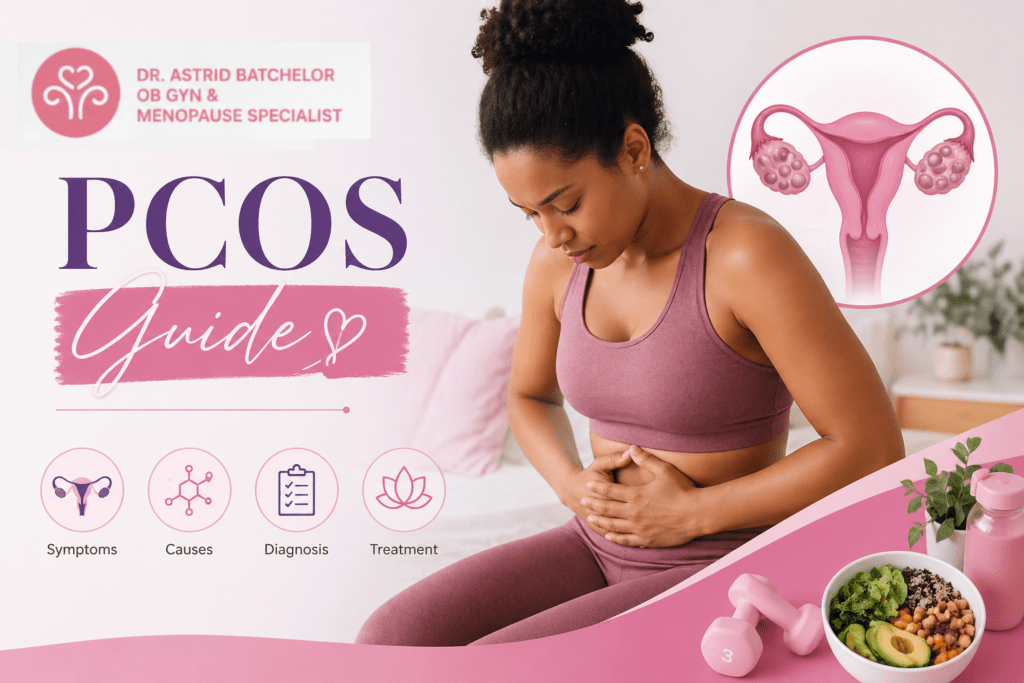
Polycystic Ovary Syndrome (PCOS) is one of the most common hormonal conditions affecting women of reproductive age. Yet, many women live with symptoms for years without a proper diagnosis. This guide breaks down everything you need to know about PCOS—what it is, how it affects your body, and the treatment options available to help you feel your best.
What Is PCOS?
PCOS (Polycystic Ovary Syndrome) is a hormonal imbalance that affects how the ovaries function. It can disrupt menstrual cycles, affect fertility, and lead to a range of physical and emotional symptoms.
Despite its name, not all women with PCOS have ovarian cysts. The condition is primarily linked to hormone imbalance and insulin resistance.
Common Symptoms of PCOS
PCOS symptoms can vary from person to person, but common signs include:
- Irregular or missed periods
- Excess facial or body hair (hirsutism)
- Acne or oily skin
- Weight gain or difficulty losing weight
- Thinning hair or hair loss on the scalp
- Darkened skin patches (especially around the neck or underarms)
- Difficulty getting pregnant
If you’re experiencing several of these symptoms, it may be time to consult a specialist.
What Causes PCOS?
The exact cause of PCOS isn’t fully understood, but several factors play a role:
1. Hormonal Imbalance
Women with PCOS often have elevated androgens (male hormones), which can interfere with ovulation.
2. Insulin Resistance
Many women with PCOS have difficulty using insulin effectively, which can lead to higher blood sugar levels and increased hormone imbalance.
3. Genetics
PCOS tends to run in families, suggesting a hereditary component.
How PCOS Is Diagnosed
A diagnosis typically involves:
- Medical history review
- Physical examination
- Blood tests to check hormone levels
- Ultrasound imaging of the ovaries
Early diagnosis is important to manage symptoms and reduce long-term health risks.
Health Risks Associated with PCOS
If left untreated, PCOS may increase the risk of:
- Type 2 diabetes
- High blood pressure
- Heart disease
- Infertility
- Endometrial issues
This is why early management and ongoing care are essential.
Treatment Options for PCOS
While there is no cure for PCOS, it can be effectively managed with the right approach.
1. Lifestyle Changes
- Balanced diet (low in processed sugars)
- Regular exercise
- Weight management
Even small changes can significantly improve symptoms.
2. Medications
Depending on your symptoms, your doctor may recommend:
- Birth control pills to regulate periods
- Medications to improve insulin sensitivity
- Fertility treatments if you’re trying to conceive
3. Hormonal Management
Hormone therapy may be used to balance estrogen and progesterone levels and reduce symptoms.
PCOS and Fertility
PCOS can affect ovulation, making it harder to get pregnant. However, many women with PCOS successfully conceive with the right treatment and guidance.
If you’re trying to conceive, early consultation with an OBGYN is key.
When Should You See a Doctor?
You should consider booking a consultation if:
- Your periods are irregular or absent
- You have persistent acne or excess hair growth
- You’re struggling to get pregnant
- You’ve been diagnosed with PCOS but symptoms are worsening
Living Well with PCOS
Managing PCOS is about more than just treating symptoms—it’s about improving your overall quality of life. With proper medical care, lifestyle adjustments, and support, you can take control of your health and feel confident in your body again.
Final Thoughts
PCOS is common, manageable, and nothing to be ashamed of. The key is early diagnosis, personalized care, and consistent support from a qualified specialist.
Ready to Take Control of Your Health?
If you’re experiencing symptoms of PCOS or need expert guidance, schedule a consultation today and get the care you deserve.